Casino
 Betting
 Games
Games 
 Payments
 Casino Bonus

Tips on How to Poker Bluff

- Tips on How to Poker Bluff
 Author: Sean O'Connell
 Updated: 20 December, 2025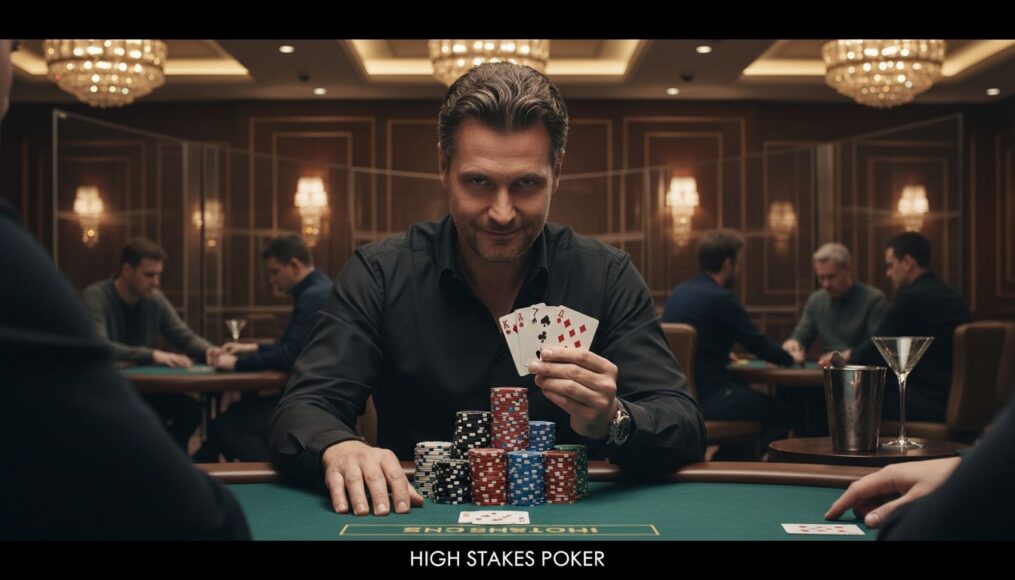
Poker is far more than just a card game; it's a captivating blend of mathematics, psychology, and strategic thinking. While luck plays its part, true mastery comes from understanding the nuances of the game, from calculating odds to reading your opponents. Among the most thrilling and impactful strategies in a poker player's arsenal is the art of bluffing – a move that can turn a weak hand into a winning pot and define a player's reputation at the table.
Bluffing is the ultimate psychological play, designed to convince your rivals that your hand is stronger than it actually is, or sometimes, weaker. It's a high-stakes gamble that, when executed flawlessly, can yield significant rewards. However, a poorly timed or transparent bluff can quickly deplete your chips. In this article, we'll explore the core principles of effective poker bluffing, offering insights and tactics to help you refine this crucial skill and elevate your game.

The Psychology Behind a Successful Poker Bluff
At its heart, bluffing is about deception. It's about creating a narrative with your bets and actions that doesn't align with the cards you hold. A successful bluff relies on several factors: understanding your table image, reading your opponents, and projecting confidence. It's a delicate dance where you aim to exploit your opponents' fears and uncertainties, making them fold even when they might hold a superior hand.
Mastering this technique requires more than just courage; it demands keen observation and a deep understanding of poker dynamics. We're not just playing cards; we're playing the players. Let's dive into some fundamental strategies that can help you execute bluffs with greater precision and impact.
Essential Strategies for Effective Poker Bluffing
Know When to Hold ‘Em (and When to Fold ‘Em): Avoiding Bluffs Against Strong Hands
One of the most critical rules in poker bluffing is knowing when *not* to bluff. Attempting to bluff an opponent who clearly holds a very strong hand is akin to throwing money away. Experienced players often signal the strength of their hand through their betting patterns, speed of play, or even subtle tells. If an opponent is consistently raising aggressively, calling large bets, or showing no hesitation, it's a strong indicator they have a hand worth sticking with.
In such scenarios, discretion is the better part of valour. Instead of trying to push them off their hand, it's often wiser to fold and preserve your chips for a more opportune moment. Your goal is to maximize your wins and minimize your losses, and bluffing into an unshakeable hand goes against this principle. Observe, learn, and choose your targets wisely.
The Art of Moderation: Don't Overbluff
While bluffing is a powerful tool, its effectiveness diminishes rapidly with overuse. If you attempt to bluff every other hand, your opponents will quickly catch on. Your actions will become predictable, your “poker face” will lose its mystique, and your bluffs will be called more often than not. This not only costs you chips but also undermines your credibility at the table, making it harder to get paid on your strong hands.
The key is to strike a balance. Bluffs should be calculated, purposeful, and relatively infrequent. They should be deployed strategically to keep your opponents guessing and to add an element of unpredictability to your game. A well-timed bluff, rather than a constant stream of them, is what truly showcases your strategic prowess.

Pick Your Battles: Bluffing a Limited Number of Opponents
The more players you try to bluff in a single hand, the lower your chances of success. Each additional opponent represents another person who needs to be convinced to fold, another set of cards that could be strong, and another personality to read. Attempting to bluff a large table is an incredibly complex and often futile endeavour.
Bluffing is most effective when directed at one or, at most, two opponents. With fewer players, you can better focus on their individual tendencies, betting patterns, and potential hand ranges. This concentrated effort significantly increases the probability that your deception will work, allowing you to take down the pot without having the best hand.
Cultivating a Winning Poker Mindset
Beyond specific tactics, mastering poker bluffing is about developing a resilient and adaptive mindset. Poker is a dynamic game, and what works in one situation might fail in another. True skill lies in your ability to observe, adapt, and learn from every hand, whether you win or lose. Don't let setbacks deter you; instead, view them as opportunities to refine your approach and deepen your understanding of the game and your opponents.
Embrace these bluffing strategies as tools in your ever-growing poker arsenal. Remember that confidence, patience, and a keen sense of timing are just as important as the cards you're dealt. By continuously honing your skills and maintaining a strategic outlook, you can transform your poker game and become a truly formidable player.
Frequently Asked Questions About Poker Bluffing
What defines a poker bluff?
A poker bluff is a strategic move where a player bets or raises with a weak hand, aiming to deceive opponents into believing their hand is strong enough to win, thereby forcing them to fold.
Are there significant risks involved in bluffing?
Yes, bluffing carries inherent risks. If an opponent calls your bluff, you will lose the chips you've bet. Successful bluffing requires precise timing, careful observation of opponents, and an understanding of the table dynamics to minimize these risks.
How many players should I target with a bluff?
Bluffing is generally most effective when directed at a limited number of opponents, ideally one or two. The more players involved, the higher the chance that at least one will have a strong enough hand or the courage to call your bluff, making it much harder to succeed.

Sean O'Connell
Content WriterSean grew up in a small town in County Kerry, Ireland. He always had a love for storytelling and writing, which led him to pursue a career in content writing. He currently lives in Dublin, where he spends his free time exploring the city and visiting different casinos.
Most Recent News
Get the latest information